
The right digital tools cost less than a decent set of work boots, and pay back many times over. Here is where the money actually hides in a UK trade business.
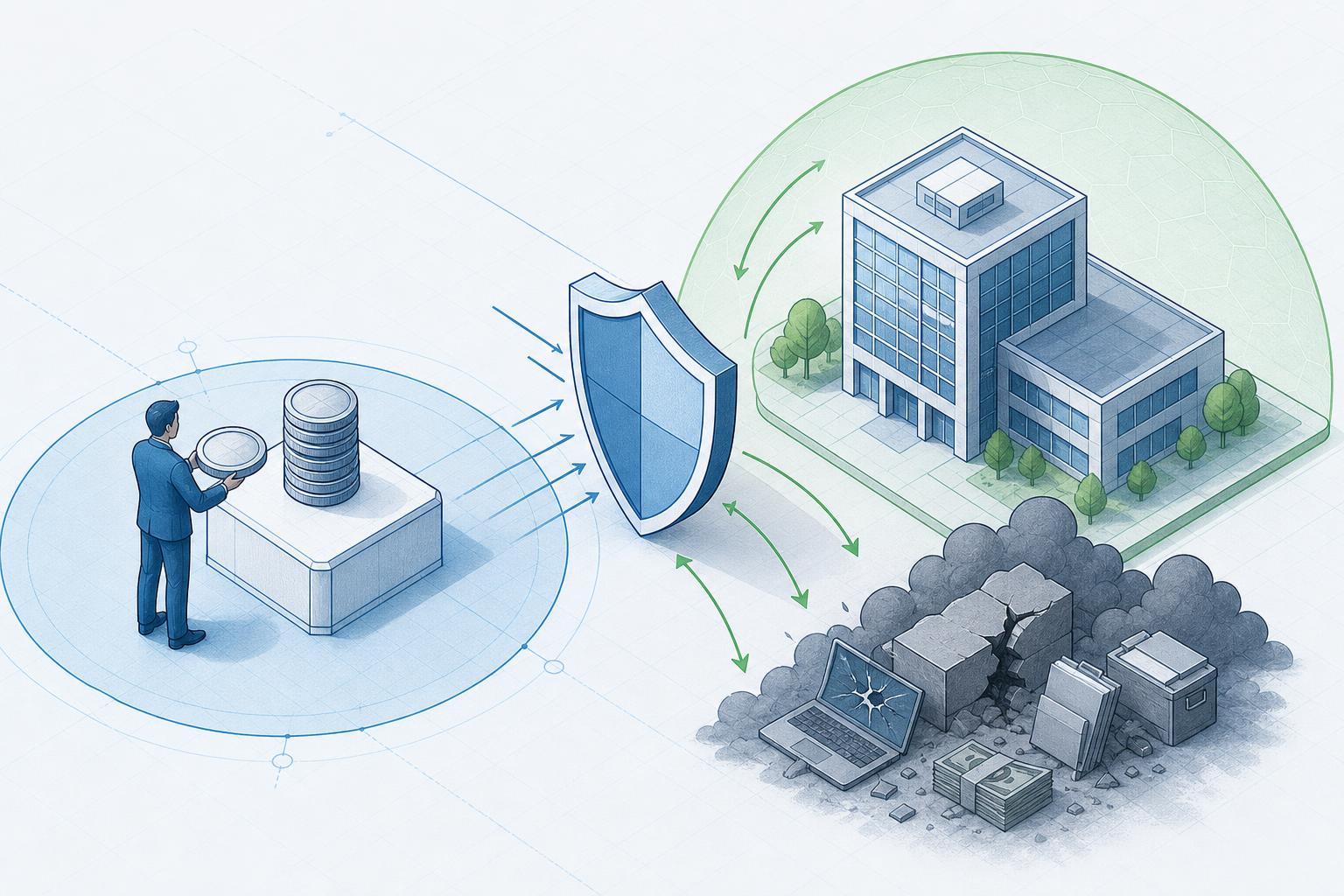
After fourteen years running and supporting Onsite Pro, the same friction points come up in nearly every conversation: fuel receipts piling up, invoices chasing clients for weeks, hours lost to admin that could have been spent winning new work. The fix isn’t a six-figure budget. Spending a few hundred pounds in the right places routinely saves trade businesses thousands a year.
Every small business owner knows the feeling – staring at a spreadsheet, wondering where the money went. The answer is rarely to spend more. It is to spend in the right places. On a £250,000-turnover trade business, even a 10% bottom-line saving is £25,000 a year. That’s a year of wages or a new van. It’s worth chasing for the price of a few app subscriptions.
This guide breaks down the practical ways modest investments deliver outsized returns, from slashing fuel bills to getting paid faster.
Where the money actually hides
This has nothing to do with flashy enterprise software or expensive consultants. For most trade firms it is simpler than that: find the jobs that quietly drain money every month, and fix them on the cheap.
The cheap tools that earn their keep
Think about the tasks that eat up your team’s time without generating revenue. Scheduling jobs on a whiteboard. Printing paper timesheets. Manually typing up quotes in Word documents and emailing them as attachments. Each of these tasks might only take 15 or 20 minutes, but multiply that across your workforce and across a full year and you’re looking at hundreds of hours of lost productivity – our 2026 paper-vs-app cost breakdown puts a per-engineer figure on what that actually drains from your bottom line.
The tools that make the biggest difference tend to cost between £20 and £150 per month. Job management platforms like Onsite Pro, Tradify or ServiceM8 let you create branded quotes on your phone in under five minutes. GPS-enabled fleet trackers from providers like Quartix start at around £12 per vehicle per month. None of this is a luxury. It is the same logic as buying one decent pair of work boots instead of replacing cheap ones every few months.
Small spend, savings that stack up
Here’s where the numbers get interesting. A building firm or HVAC contractor with five vans spending £60 per month on fleet tracking (£720 per year) typically saves between £3,000 and £5,000 annually in fuel alone. That’s before you factor in reduced vehicle wear, fewer unauthorised detours, and better route planning.
The same thing holds right across the business. Spend a bit up front, and the savings stack up month after month. The key is choosing tools that address your specific pain points rather than buying software because it looks impressive. A plumbing firm with three employees doesn’t need an enterprise resource planning system. It needs a way to send invoices before the van gets back to the yard.
Cutting the fuel bill
Fuel is one of the largest controllable expenses for any business that puts vehicles on the road. With diesel hovering around £1.55 per litre in 2026, even small improvements in route efficiency translate directly to your bottom line.
Fewer wasted miles
Most field teams plan their days based on habit or gut instinct. “We’ll do the Croydon job first because Dave knows the way.” The problem is that instinct doesn’t account for traffic patterns, road closures, or the fact that there’s another job two streets away that could be slotted in between appointments.
Route optimisation software analyses all your scheduled jobs and calculates the most efficient order and path. Tools like OptimoRoute or Google’s fleet routing API can cut daily mileage by 15-25%. For a team covering 200 miles a day across five vehicles, a 20% reduction saves roughly 200 miles daily. At an average cost of 45p per mile (fuel plus wear), that’s £90 per day, or nearly £23,000 per year. You don’t need to be a maths whiz to see why this matters.
Checking a job without driving to it
Not every site visit is necessary. Pre-installation surveys, progress checks, and snagging inspections can often be handled through video calls, photo uploads, and shared dashboards. A project manager who used to drive 45 minutes each way to check on a job can now review timestamped photos uploaded by the on-site team.
This doesn’t mean eliminating site visits entirely – some things genuinely require boots on the ground. But cutting unnecessary trips by even two or three per week adds up to thousands of pounds a year across fuel, time, and the management capacity it frees up. The supervisor who used to oversee three projects can comfortably oversee five.
Knowing where every job stands
When you can track job status in real time, problems shrink before they become expensive. Delays get flagged immediately. Resources get redirected. Clients get updates before they have to chase you.
Closing the gap between van and office
The old way looks like this: an engineer finishes a job, scribbles notes on a coffee-stained worksheet, leaves it in the van, and your office team doesn’t see it until Thursday. By then, nobody can decipher the handwriting, the parts list is incomplete, and the client has already phoned twice asking for an update.
Live job tracking closes that gap entirely. Field operatives update job progress from their phones as they work. The office sees exactly which jobs are complete, which are running behind, and which need additional materials. Clients can receive automated notifications – “Your engineer has completed the installation and signed off the work.” That kind of professional, rapid communication wins repeat business and referrals. It’s the sort of thing that sets you apart from competitors still relying on voicemail and hope.
Catching an overrun before it costs you
Project overruns are profit killers. A job quoted at 16 hours that actually takes 24 doesn’t just cost you eight extra hours of labour – it delays the next job, frustrates the client, and throws your entire schedule sideways.
Real-time tracking gives you early warning signs. If a two-day job is only 30% complete by the end of day one, you know immediately that something’s wrong. Maybe the scope changed, maybe materials were wrong, or maybe the team needs support. Either way, you can intervene on day two rather than discovering the problem on day five. Data from completed jobs also helps you quote more accurately in the future. If your records show that bathroom refits consistently take 20% longer than estimated, you adjust your pricing before it erodes your margins further.
Getting paid faster
Cash flow is the lifeblood of every small business, and late payments are the single biggest threat to it. The average UK SME waits around a month to get paid, which is a long time for materials and wages to come out of your pocket. Digital tools can cut that figure dramatically.
Invoice before the van’s back
The fastest way to get paid sooner is to invoice sooner. That sounds obvious, but most businesses have a delay of several days between completing a job and sending the invoice. The engineer finishes on Tuesday, the paperwork reaches the office on Thursday, the admin team processes it on Friday, and the invoice goes out the following Monday.
Automated invoicing eliminates that entire chain. When a field operative marks a job as complete on their device, the system generates and sends the invoice within minutes, not days. Some platforms even attach the signed completion certificate and any relevant photos automatically. That means your client receives a professional, detailed invoice while the work is still fresh in their mind, which dramatically speeds up payment compared to the old paper trail.
Proof on the job means fewer disputes
Disputed invoices are a common cause of late payment. “We’re not sure that work was actually completed” or “we didn’t authorise those additional hours” are phrases that can delay payment by weeks.
Digital job records provide instant proof of service – timestamped photos, GPS-verified attendance, client signatures captured on screen, and itemised breakdowns of work performed. When a client queries an invoice, your team can pull up the complete job record in seconds rather than rifling through filing cabinets. This level of documentation doesn’t just speed up payments, it also reduces disputes in the first place. Clients who can see exactly what was done, when, and by whom are far less likely to question the bill.
Room to grow without the chaos
The real beauty of investing a few hundred pounds in the right digital tools is that they grow with you. A job management app that handles 50 jobs per month today can handle 500 next year without requiring a proportional increase in admin staff. Your processes, templates, and data all carry forward.
Think about what happens when you win a bigger contract or take on two new employees. Without systems in place, growth creates chaos – more paperwork, more miscommunication, more invoices slipping through the cracks. With the right tools already embedded in your daily operations, scaling up feels manageable rather than terrifying.
The firms that do well over the next few years won’t be the ones with the biggest budgets. They’ll be the ones who worked out early that spending hundreds to save thousands is just common sense. Start with one tool that addresses your biggest headache. Maybe it’s fleet tracking, maybe it’s automated invoicing, maybe it’s real-time job updates. Pick one, give it 90 days, and measure the difference. You’ll almost certainly find that the return pays for itself many times over, and you’ll wonder why you didn’t do it sooner.
If you want a deeper breakdown of the paper-versus-app cost question specifically, our paper vs job sheet app comparison walks through the per-engineer maths for 2026.
Job Management Made Simple. Start your free trial.
Onsite Pro has been designed and supported from Lichfield since 2012. Try it on a single crew for 14 days, measure the difference, and let the numbers speak for themselves. Or book a 20-minute remote demo of the live system.